

The testers aimed to find out how a visually impaired player would be able to actually navigate Gambloria Casino https://gambloriaacasino.com/. So, we activated a screen reader and endeavored to do the same actions a normal player would. We signed up, browsed games, and even made an effort to seek assistance from support. Below is what we found, from the viewpoint of a UK player using assistive tech in 2024.
Why We Assessed Gambloria’s Accessibility
For many, a screen reader isn’t just helpful—it represents the way they navigate the internet. With legal standards like the UK Equality Act 2010, accessibility is a fundamental entitlement, not an optional addition. We examined Gambloria as every player deserves a equal opportunity at playing safely and independently. This is not about ticking boxes. The focus is on whether someone can actually enjoy themselves without encountering obstacles.
We focused on the fundamentals: could a player get in, discover a game you prefer, and comprehend the terms without having someone else to help you? Our findings are important to players determining where to spend their time, and to casinos that aim to welcome everyone.
First Look: Website Structure and Organization
Getting our bearings was a bit of a varied affair. The main menu at the top, with options for ‘Promotions’ and ‘Games’, was straightforward. The site had some structural landmarks to navigate, but they weren’t used everywhere. This made the opening moments slower than on other sites we’ve experienced. We could employ keyboard controls to look for games, which was a solid win.
But we also discovered too many vague links. Phrases like “click here” or “read more” showed up without telling us what they were for. When your screen reader reads a list of links out of context, that’s not beneficial. The navigation path showing where you are on the site was just decorative element; our screen reader skipped it completely, so we had to navigate back manually.
Promotions and Bonus Terms: An Important Section
You must understand the bonus terms to play responsibly. You could browse the promotion pages. They used headings to break up the text, which made browsing easier. The controls to opt for a bonus often worked with the keyboard.
The real trouble was the writing itself. The terms, especially the playthrough requirements and game limits, were lost in thick paragraphs. Even though the text‑to‑speech would speak every word, the details was not easy to absorb. Breaking these details into summaries or concise overviews would help all players, not only assistive technology users.
Exploring the Game Lobby and Options
The casino lobby is where you decide what to play, so it should function smoothly. We could tab through Gambloria’s game grid using the keyboard. The filter buttons for slots, table games, and live casino were clearly labeled and did their job. We could filter results without needing to point and click.
Issues with Game Thumbnails and Information
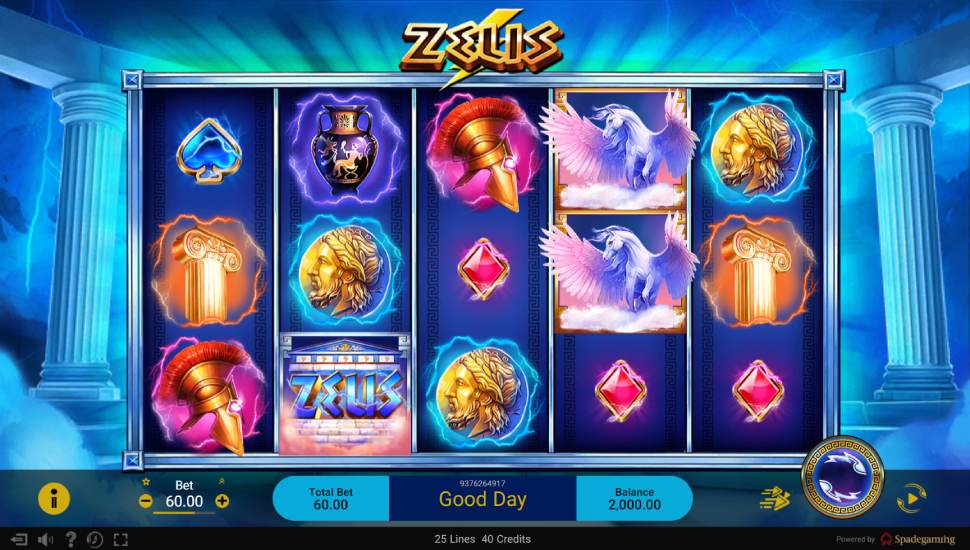
The main issue in this case was the game images. The reader tool either said the game title or an unhelpful image name. It didn’t tell us anything about the game’s style, the variance, or its RTP. To get those basic details, we needed to load every game individually. This consumed valuable time.
The demo and real money buttons were distinct, which aided navigation. The small badges marking new or trending titles were not read out. There was no way to know which games were highlighted, meaning we lacked that insight of the navigation experience.
Our team’s Assessment Approach and Equipment
We dedicated seven days exploring the site. Our main tool was the NVDA accessibility app on a Windows PC, and we double-checked some things with VoiceOver on a Mac. These are widely used options across the UK. We employed the latest Chrome and Safari browsers to examine both the desktop website and Gambloria’s mobile applications.
Main Tasks We Completed
We compiled a checklist of normal casino activities. We registered an account, completed identity verification, tried to claim the introductory bonus, looked through the selection of games, played a handful of demo slot games, deposited funds, and got in touch with the help team. For every action, we recorded the time it required, if the screen reader provided explicit guidance, and if we encountered a dead end.
We observed how forms and buttons were labelled. We also paid close attention to how the screen reader handled moving parts, including real-time casino streams and loading indicators. A real-world test like this reveals the shortcomings that a technical report might miss.
Playing the Games: Slots and Table Offerings Access
Once we launched a game, outcomes were entirely based on who made it. Games from leading providers like NetEnt occasionally had a stronger starting point. But many of the slots on Gambloria just loaded as a mute add-on or game container. The screen reader couldn’t describe about what was going on inside.
The Reality of In-Game Commands
Game buttons inside the games were commonly invisible to us. We couldn’t read the bet slider, locate the spin button reliably, or access the paytable in a clear way. To participate, you’d must memorize the controls or get assistance. That’s not really independent play. Table offerings like blackjack were harder because they’re so graphical and fast-paced.
That’s mostly the game developer’s fault, but Gambloria hosts them. The platform could make a real difference by providing a selected list of games that are found to function better with assistive technology. That would be a simple, meaningful gesture.
Account and Financial Journey
This was among the more seamless sections. Areas like sign-up, log in, and submitting ID documents used fields with proper labels. The assistive technology could indicate us what to enter in each input box. Adding money was straightforward enough; buttons for PayPal or credit card were read out correctly.
This transaction history in the cashier section used a correct table layout. The assistive technology could detect the column headers for date and amount, so we could check our transactions line by line. The only hiccup was with success messages. A “Deposit Confirmed” pop-up would appear visually, but our screen reader wouldn’t read it at once, creating us in temporary doubt.
Customer Support Accessibility
We used the live chat, email, and FAQ. We were able to access the live chat window with the keyboard. When the support agent replied, our screen reader announced their new message, which is precisely what needs to happen. But we could not easily scroll back through the chat history to go over what was said earlier.
The FAQ was a clear list. Each question acted as a button. When you pressed one, the answer opened up and was narrated. The search bar in the help section also performed perfectly. We could type a question and tab through the results. Support is functional here, even if it has a few flaws.
Concluding Decision and Opportunity for Growth
Gambloria Casino has created a platform that’s more user-friendly than many. You can handle your membership and contact support. But the core attraction, gaming, is still hindered by major barriers. The primary site navigation operates, but the data isn’t always arranged for easy listening. The experience seems incomplete.
Our Suggestions for Gambloria
Gambloria should begin by releasing a clear accessibility statement. Next, they must audit their game portfolio and tag the ones that are more accessible. Simple fixes to the website’s code, like using ARIA landmarks and better form error handling, would be transformative. They could become market leaders by partnering with studios committed to inclusive design.
For UK screen reader users, Gambloria is okay for the admin side of things. However, for solo gaming, you’ll likely run into problems. We are presenting this review hoping it pushes the industry forward. Everyone should get to play on the same field.