

Mobile casino applications have revolutionized how Dutch players enjoy online gambling, offering a level of convenience that desktop platforms simply cannot match https://slotoro.com.nl. Rather than being tethered to a computer, enthusiasts can now access their favorite slots, table games, or live dealer sessions directly from a smartphone or tablet. The shift toward mobile-first gaming is not just a trend; it indicates a fundamental change in user behavior, with more than half of all online casino traffic in the Netherlands now originating from handheld devices. Understanding the mechanics behind these apps, their security protocols, and the subtle differences between native downloads and browser-based play is essential for anyone looking to get the most out of platforms like Slotoro Casino while staying safe and compliant with local regulations.
Reviewing an App Before the Opening Deposit
Before dedicating real funds to a mobile casino platform, Dutch players should perform a structured review that goes beyond aesthetic impressions. The following checklist delivers a systematic method to assessing whether an app meets the standards expected of a licensed operator targeting the Netherlands market:
- Check the Kansspelautoriteit license logo and cross-reference the license number on the regulator’s public register to verify authenticity.
- Test the customer support channel by initiating a live chat directly from the mobile interface, assessing response time and the quality of the agent’s English or Dutch proficiency.
- Load a random game and observe load times, animation smoothness, and whether the audio syncs correctly with visual events.
- Move to the responsible gaming section and verify that deposit limits, reality checks, and self-exclusion options are accessible within three taps from the main lobby.
- Review the payment page for iDEAL integration and check whether withdrawal methods mirror deposit options without forcing players onto obscure alternatives.
- Browse the terms and conditions for any mobile-specific restrictions on bonuses, as some promotions unfairly exclude app users from participation.
The Growth of Mobile Gambling in the Netherlands
The online gambling market in the Netherlands experienced a significant change when the Remote Gambling Act came into force, authorizing and supervising online casinos under the close oversight of the Kansspelautoriteit. This regulatory clarity offered licensed operators the certainty to commit significant resources in mobile infrastructure customized to local tastes. Players in the Netherlands usually choose rapid, session-based entertainment while traveling or during breaks, creating a smooth mobile experience a vital competitive advantage. The use of iDEAL as a local payment method further accelerated mobile usage, as depositing funds became a frictionless, one-tap procedure. Therefore, providers who ignore their mobile interface lose the chance of forfeiting a substantial segment of the market to other companies who treat the small screen as the dominant platform rather than an afterthought.
Game variety and Efficiency Enhancement
Many desktop title translates gracefully to a mobile format, and savvy operators select their portable catalogs with care. Complex multi-hand video poker types or large megaways slots should be optimized to minimize battery drain and overheating on older phones. Leading software providers now develop games using a mobile-first methodology, making sure that text remains legible without zooming and that bonus elements initiate responsive animations rather than broken code. The lowering in processing power compared to a gaming PC is compensated by lightweight asset compression and server-side rendering techniques. Users should look for a mobile library that includes the bulk of popular slot games, blackjack, and roulette games, though some niche table games with intricate 3D worlds might remain exclusive to the desktop environment until fully refined.
Connection Problems and Offline Features
Mobile gaming naturally contends with fluctuating network conditions that desktop users seldom experience. A stable fiber connection at home differs greatly from patchy 4G reception in a moving train or a crowded festival ground. Top-tier mobile casino apps address this through solid session persistence, automatically saving game states so a disconnected spin is never lost but simply paused until reconnection. While true offline play is impossible for real-money gambling due to regulatory requirements for live server verification, some apps include a “demo mode” cache that lets players to test games without a connection. Players traveling through known dead zones, such as tunnels on the Amsterdam metro, should favor games with low streaming bandwidth requirements, shunning high-definition live dealer feeds until they recover stable connectivity.
Dedicated Software vs. No-Download Access: The Technological Gap
Players using Slotoro Casino on a handheld will encounter two distinct pathways: acquiring a specialized mobile app or starting games straight through a mobile browser using HTML5 standards. A native app is a application installed directly onto the device’s OS, created to harness hardware acceleration for fluid visuals and quicker loading. Instant play, conversely, needs no storage space and functions within the browser’s protected framework. While native apps historically delivered better results, modern HTML5 platforms have narrowed the gap significantly, delivering high frame rates and crisp graphics on 5G and reliable Wi-Fi networks. The choice often hinges on personal liking concerning home screen clutter and automatic updates versus manual maintenance.
Payment Integration and iDEAL Dominance
The Dutch market’s unwavering loyalty to iDEAL has compelled mobile casino developers to reimagine their cashier flows thoroughly. Unlike credit card forms that require manual entry of 16-digit numbers on a tiny keyboard, iDEAL redirects players to their trusted banking environment, where a fingerprint or face scan finalizes the deposit. This integration eradicates the friction that historically caused mobile cart abandonment. Modern mobile cashiers also support digital wallets like PayPal and Skrill, storing encrypted tokens so returning players are able to deposit in seconds. Withdrawal processes on mobile should mirror the desktop experience in speed, though players must make sure they complete any necessary identity verification beforehand, as uploading documents via a phone camera is often faster than scanning on a desktop rig.
Cross-Platform Account Syncing
The modern player anticipates a unified identity that travels seamlessly between gadgets. Starting a slot session on a laptop during lunch should shift smoothly to a smartphone on the train back home, with account balance, VIP points, and current bonuses synced in real time. This requires a cloud-based backend architecture where the device acts merely as a viewing window into a core server-side account. Its real-world advantage goes beyond convenience; it also improves security, as any suspicious login from a new device activates prompt two-factor authentication requests. Players should under no circumstances be required to hold distinct wallets or by hand transfer funds between desktop and phone environments. A individual withdrawal request initiated on a phone should be processed in the same manner to one submitted via desktop, with the identical processing times and security checks applied uniformly.
Battery Consumption and Battery Life
Lengthy mobile casino sessions can put considerable pressure on a device’s battery and thermal management systems. Games that generate complex 3D environments or stream high-bitrate video from live dealers force the processor to work harder, generating heat and depleting the battery at an accelerated pace. Players can alleviate this by lowering screen brightness, terminating background applications, and avoiding gaming while the device is charging, which exacerbates thermal stress. Some well-optimized apps include a battery-saver mode that reduces frame rates and turns https://en.wikipedia.org/wiki/Pala_Casino_Spa_Resort off non-essential animations, extending playtime by up to forty percent on a single charge. It is also recommended to monitor battery health statistics periodically, as a degraded battery not only shortens sessions but can lead to unexpected shutdowns during critical bonus rounds or live betting moments.
Safe Gaming Tools on the Small Screen
Dutch regulations mandate that licensed operators embed robust responsible gaming controls right into the player interface, and mobile apps must make these tools just as accessible. A well-designed app locates deposit limits, reality checks, and session timers inside the primary account area, never hidden behind multiple submenus. The portable nature of smartphones presents unique risks, such as sudden late-night sessions in bed, making the “cool-off” and self-exclusion features critically important. Players can normally set daily, weekly, or monthly loss limits with prompt effect, and accessing transaction history should need no more than two taps. The best platforms also include time-zone-aware alerts, recognizing that a player traveling abroad might inadvertently exceed their usual limits due to jet lag or altered routines.
Interface Design and Interface Design Principles
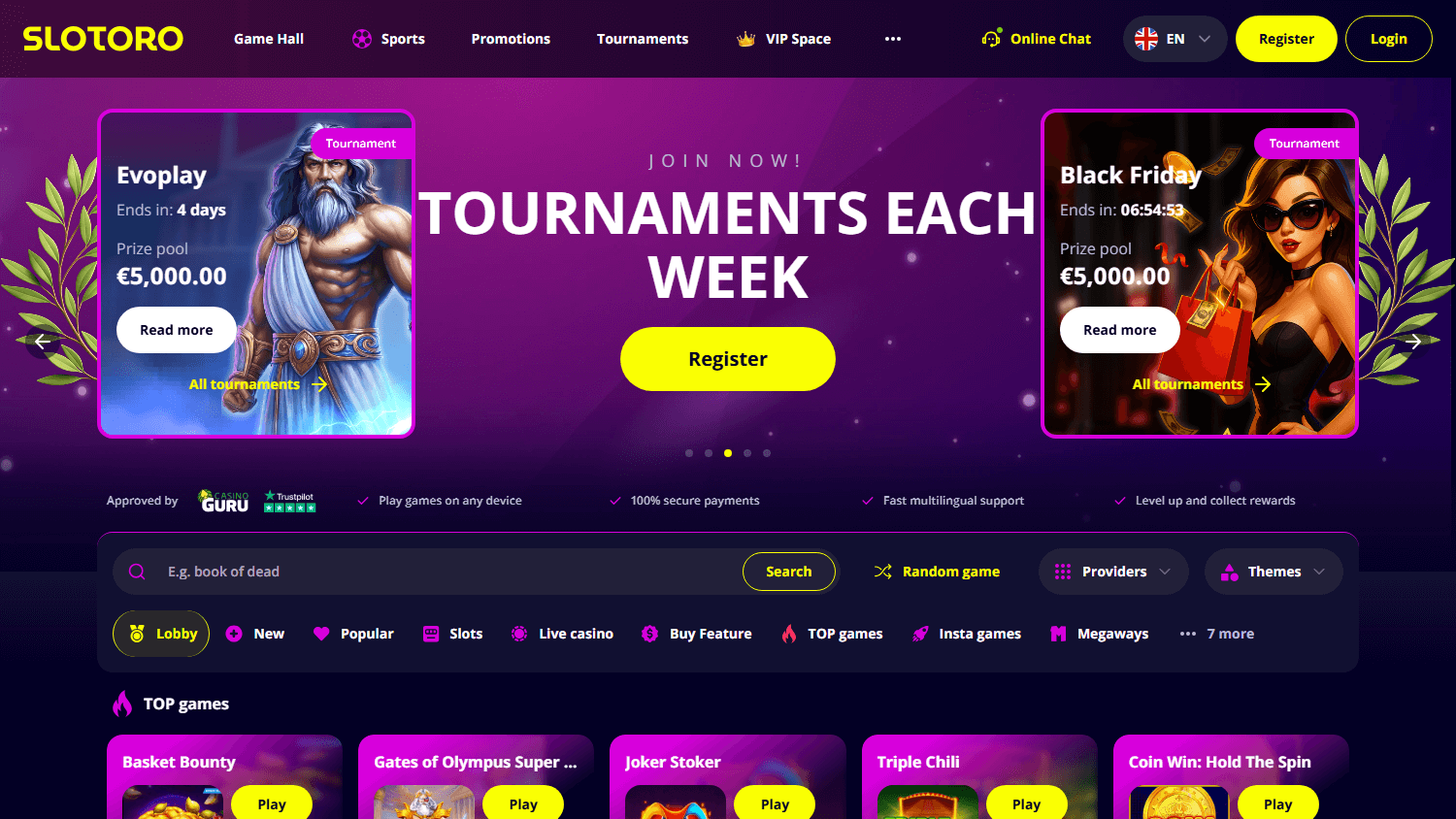
Crafting for a 6-inch touchscreen necessitates a fundamentally different philosophy than creating for a 24-inch monitor. Efficient mobile casino interfaces eliminate the cluttered sidebars and dense grids of desktop sites in favor of thumb-friendly navigation zones. The most refined apps position critical actions—spin buttons, deal commands, and deposit shortcuts—within the lower half of the screen, where they are conveniently reachable without adjusting grip. Gesture controls, such as swiping motions to change game categories or zoom to zoom on live dealer tables, create an intuitive physical connection to the action. At Slotoro Casino, the mobile layout emphasizes vertical scrolling over horizontal navigation, accepting that one-handed use is the standard posture for casual gaming sessions on Dutch public transit or cozy evenings on the couch.
Upkeep and Memory Management
A commonly neglected aspect of native casino apps is the ongoing maintenance burden they place on device storage. High-quality slots with complex animations can push a single app installation beyond 200 megabytes, and routine content updates gradually inflate this footprint. Players with older devices or constrained storage plans should periodically purge the app cache through the settings menu, a process that removes temporary asset files without affecting login credentials or balance. Operating system updates sporadically harm compatibility, but licensed operators typically patch their apps within days of a major iOS or Android release. It is prudent to enable automatic updates for the casino app to ensure that security patches are deployed right away, closing vulnerabilities that could potentially be used by malicious actors targeting outdated software versions.
Safety Standards That Safeguard Mobile Players
Safety on a legitimate mobile casino app operates on numerous layers that go far beyond a simple password prompt. Regulated platforms targeting the Netherlands market use end-to-end TLS encryption, ensuring that financial transactions and personal identification documents stay unreadable to intercepting parties. Biometric authentication, such as fingerprint scanning and facial recognition, provides a physical barrier that stops unauthorized access even if the device is physically compromised. Furthermore, reputable apps function within a certified Random Number Generator framework that is frequently audited by third-party testing houses. Users should always ensure that the app requests minimal permissions—a casino app has no legitimate reason to view a user’s contact list or photo gallery beyond submitting verification documents.
The future of mobile gambling innovation
The path of mobile gaming evolution points toward greater incorporation with device components and emerging network capabilities. AR features, that superimpose gaming elements onto the player’s physical environment through the camera lens, are already being developed by progressive game studios. The introduction of standalone 5G networks across the Netherlands will eventually eliminate latency concerns for live casino streams, facilitating genuine multidirectional views controlled by the player’s hand signals. Wearable tech compatibility, even if niche, may allow basic tasks like starting a slot game or betting on roulette from a wearable device. Voice commands, processed locally on-device for data protection, may soon replace manual navigation, allowing players to launch a particular game or view their balance without touching the screen. These developments will continue to blur the line between traditional casino environment and virtual convenience.
The Purpose of Push Notifications and Personalization
Casino applications possess a clear marketing advantage through the controlled use of push notifications, a feature unavailable to browser-based shortcuts. These alerts, when calibrated responsibly, serve as a direct communication channel alerting players about limited-time promotions, tournament starts, or the release of a new slot title from a favorite provider. The key to ethical implementation depends on granular permission settings that allow users to opt into specific notification categories without being bombarded by generic spam. Advanced apps analyze gameplay patterns to personalize these nudges, alerting a blackjack enthusiast about a new live dealer table rather than sending irrelevant bingo promotions. This tailored approach converts notifications from an annoyance into a valuable concierge service that enhances engagement without crossing into intrusive territory.
Commonly asked queries
Are casino mobile apps allowed in the Netherlands?
Certainly, gambling apps are fully lawful in the Netherlands as long as they are managed by a holder of a legitimate license from the Kansspelautoriteit. The regulatory body strictly examines mobile-based platforms to confirm they satisfy the identical technical and ethical gambling standards as desktop sites. Players should always check the license number displayed within the app with the official public register before transferring any funds.
Is it safer to use a dedicated app or a mobile browser?
Both options are just as safe when using a licensed operator. Installed apps offer further biometric login options like fingerprint scanning, which adds a security barrier. Browsers on mobile rely on the identical TLS encryption standards. The key risk is not the delivery method but instead whether the platform in itself holds a legitimate license and maintains current security certifications examined by third-party testing bodies.
Am I able to receive the same bonuses on mobile as on desktop?
Almost always, bonuses are fully available across both platforms with matching wagering requirements. However, a small number of promotions may be linked to specific device categories for technical reasons, such as tournaments requiring precise mouse control. Players should always check the promotional terms thoroughly, checking for any clauses that specify “desktop only” or “mobile excluded” before choosing an offer.
What storage space does a typical casino app require?
Initial installations generally extend from 80 to 250 megabytes, depending on the number of pre-loaded game assets. Over time, cached data and automatic content updates can bring the total footprint over 500 megabytes. Most apps include a cache-clearing function within their settings menu that removes temporary files without deleting login credentials or account history, making room for other applications.
What occurs if I suffer internet connection during a game round?
Licensed mobile casino apps utilize session persistence protocols that pause the game state the moment connectivity fails. Once the connection is reestablished, the round continues exactly where it left off, and the outcome is decided by the server-side random number generator that was already initiated. No funds are gone due to disconnection, and the result is logged in the player’s transaction history for full transparency.
Are mobile casino apps use up battery faster than regular apps?
Absolutely, graphically heavy slot games and live dealer streams draw significantly more power than standard applications due to continuous rendering and data streaming. Players can minimize battery drain by turning on any built-in power-saving mode within the app, dimming screen brightness, and terminating unnecessary background processes. Steering clear of gaming while the device is fast-charging also helps avoid excessive heat generation that harms battery health over time.
Can I use iDEAL for both deposits and withdrawals on mobile?
iDEAL is widely supported for instant deposits on Dutch-facing mobile casino apps, providing a seamless redirect to the player’s own banking environment. Withdrawals, however, typically are handled via bank transfer rather than iDEAL, as the system is primarily designed for inbound payments. The withdrawal timeframe remains identical to desktop, with licensed operators required to process verified cashouts within regulated maximum periods.